 ITA
ITA
 DEU
DEU
 FRA
FRA
 ESP
ESP






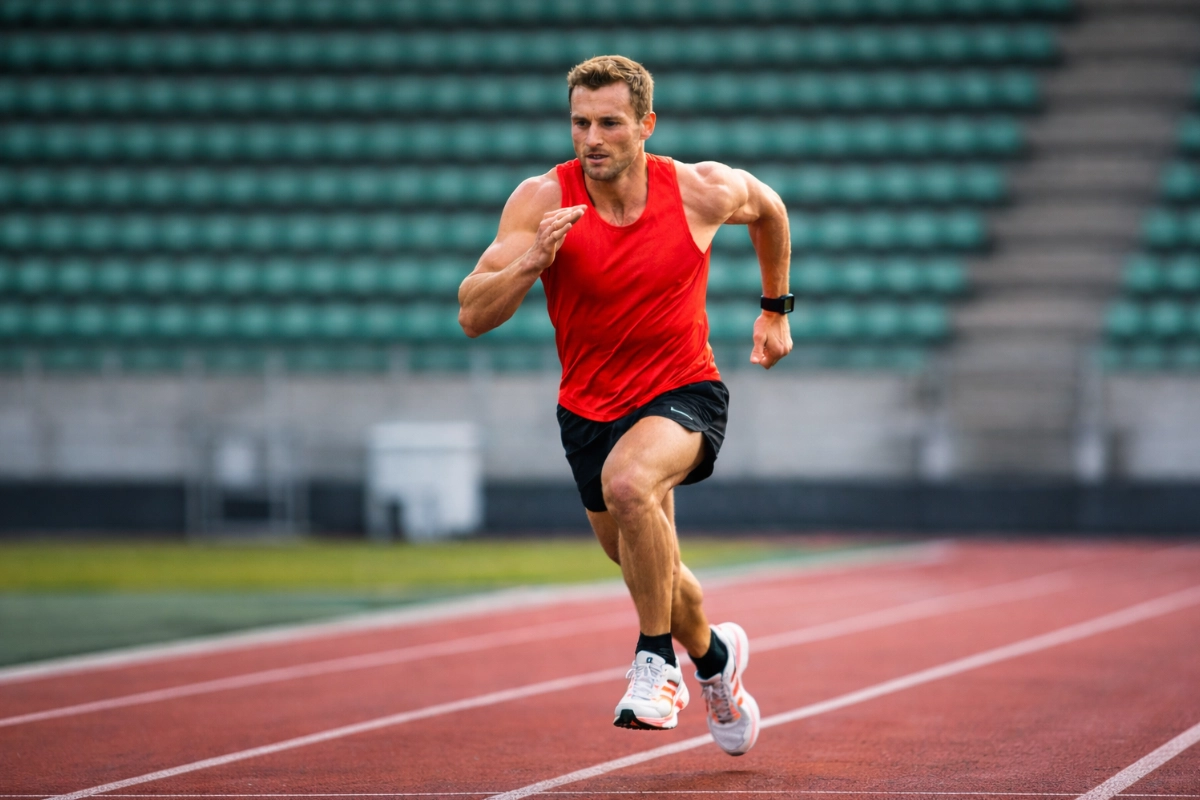
Norwegian training is one of the most discussed and studied systems of recent years in road and trail running.
Based on scientific lactate monitoring and extremely precise intensity management, this method improves performance, stability, and responsiveness without accumulating excessive fatigue or entering overtraining.
What is Norwegian Training
Norwegian training originated in middle-distance running but is now successfully applied to marathons and long distances.
The principle seems simple: train frequently at threshold without exceeding it uncontrollably.
It’s not about always running hard, but about running often “at the right limit”.
The goal is not to destroy the body with maximal sessions, but to stimulate deep aerobic adaptations through consistency and precision.
The Origins of the Method
The system became famous thanks to Norwegian athletes dominating distances from 1500 to 5000 meters, proving that a scientific and meticulous approach can outperform traditional high-intensity models.
The key difference lies in constant lactate measurement.
Each session is calibrated using objective data, not just perceived effort.
The Key Principle: Lactate Control
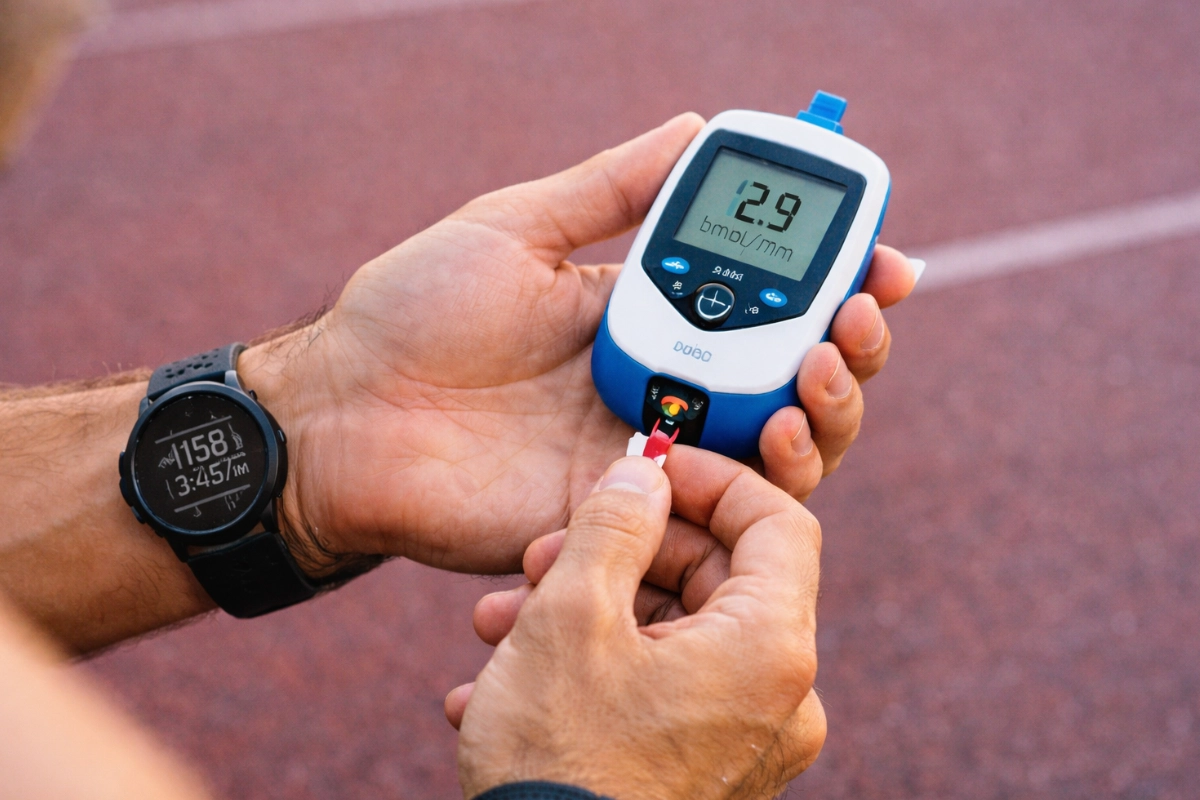
In the Norwegian method, runners work in a controlled threshold zone, typically maintaining lactate values between 2 and 4 mmol/L.
This allows accumulation of quality volume without excessive metabolic stress.
Main benefits:
- Stimulate deep aerobic adaptations
- Improve metabolic stability
- Increase ability to sustain faster paces longer
- Reduce systemic overload risk
In practical terms, this means improving lactate threshold and therefore running faster with the same perceived effort.
The Double Quality Session (Double Threshold)
The most famous element is the “double threshold”: two sessions in one day, morning and afternoon.
Both sessions are controlled and submaximal.
Runners stay in a precise zone, with defined recoveries and stable pacing.
The goal is to increase total time near threshold without excessive lactate accumulation.
How to Apply It to Road Running
For road runners, it can translate into:
- Controlled threshold intervals
- Progressive blocks over medium-long distances
- Continuous “comfortably fast” runs
- High volume of easy running to support the load
The combination of aerobic volume and controlled quality improves running economy, muscular comfort, and mechanical responsiveness.
It’s a method that builds over time, without sudden peaks.
Norwegian Training in Trail Running
In trail running the principle remains the same: control, consistency, and intensity management.
The difference is that pace and threshold are adapted to elevation gain and terrain technicality.
Uphill you work by heart rate and perceived exertion; downhill on stability and eccentric muscle management.
Stability becomes a key factor to sustain performance on variable terrain.
Advantages and Limitations of the Method
Advantages
- Reduced risk of overtraining
- Better weekly load management
- Progressive increase in lactate threshold
- More stable long-term performance
Limitations
- Requires understanding of your physiological data
- Not something to improvise without experience
- Can feel monotonous if not well structured
Who It’s For
Norwegian training is ideal for experienced runners, marathoners, half-marathoners, and mid-to-long distance trail runners who want a structured approach to performance.
It’s less suitable for beginners or for those who run exclusively for general wellbeing with no time goals.
Conclusion
Norwegian training is not a passing trend, but a system built on data, progression, and control.
It doesn’t aim for maximal effort, but maximal long-term effectiveness.
In modern running—where technology, monitoring, and awareness play a central role—this method represents a balance between science and practice.
And in running, as in preparing for an important race, those who can pace themselves often win.