 ITA
ITA
 DEU
DEU
 FRA
FRA
 ESP
ESP




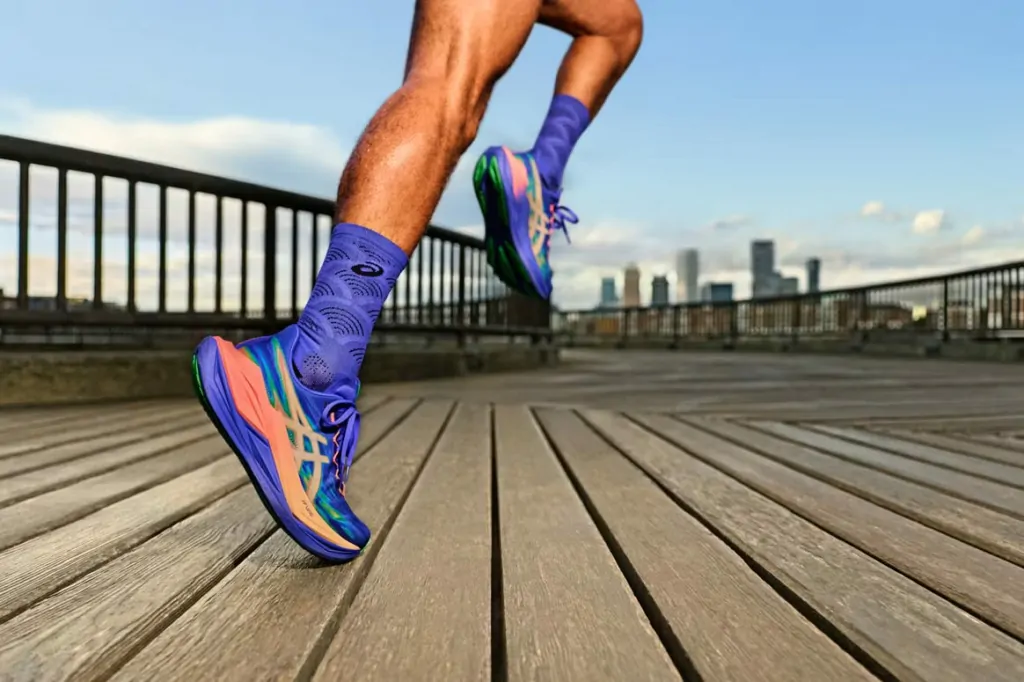
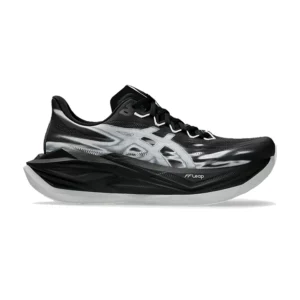
C’è scarpe che arrivano sul mercato e diventano immediatamente un riferimento. La ASICS Superblast è una di queste: dalla prima versione del 2022 ha ridefinito il concetto di super trainer. Ora è qui la terza generazione, e con la nuova schiuma FF Leap promette di essere la versione più morbida, reattiva e completa di sempre. Per chi la aspettava: ne valeva la pena.
📋 Indice dei Contenuti
- Filosofia del Modello
- Specifiche Tecniche
- Tecnologie Chiave
- Comfort e Calzata
- Sensazioni in Corsa
- Per Chi è Adatta
- Differenze rispetto ad Altri Modelli
- Test su Allenamenti Diversi
- Pro e Contro
- Prezzo e Disponibilità
- Conclusione: Vale la Pena?
1. Filosofia del Modello
“More energy with every step, regardless of the distance.” — questo è il punto di partenza della Superblast 3. Non un restyling, ma un’evoluzione con un nome preciso: FF Leap.
Quando ASICS lanciò la prima Superblast nel 2022, il mercato delle super trainer non era ancora quello che conosciamo oggi. Una scarpa con stack altissimo, sorprendentemente leggera e senza piastra: fu una scossa. La v1 vinse premi ovunque e divenne lo strumento preferito di migliaia di runner che volevano le sensazioni delle scarpe da gara senza il karma da carbonio.
La v2 fu meno riuscita — più pesante, tomaia più stretta, ride un po’ rigido — e lasciò qualche runner perplesso. Con la Superblast 3, ASICS corregge il tiro in modo deciso: porta nella daily trainer la schiuma FF Leap, già impiegata nelle scarpe da gara della famiglia Metaspeed, mantenendo l’architettura a doppia mescola che è da sempre il cuore del progetto.
Nella gamma ASICS 2026, la Superblast 3 si posiziona sopra la Nimbus (massimo comfort, ritmi lenti) e la Kayano (stabilità strutturale), come riferimento assoluto per chi vuole massima ammortizzazione e reattività in un unico modello.
2. Specifiche Tecniche Principali
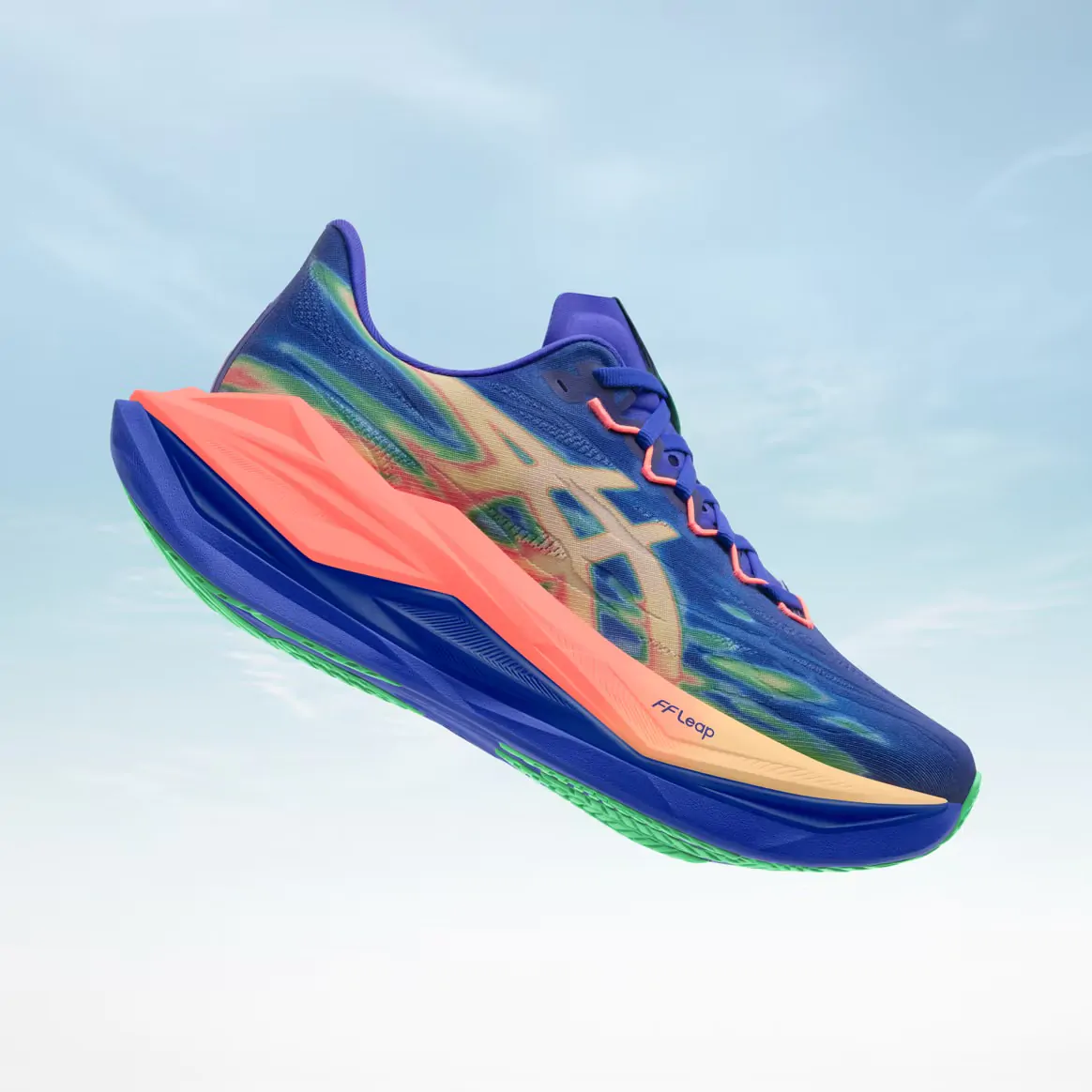
| Caratteristica | Valore |
|---|---|
| Peso | 239 g (US M9 / EU 43) — 10 g in meno della v2 |
| Drop | 8 mm |
| Stack tallone | 46,5 mm |
| Stack avampiede | 38,5 mm |
| Intersuola (strato superiore) | FF Leap (A-TPU — da scarpe da gara Metaspeed) |
| Intersuola (strato inferiore) | FF Blast Plus (~10 mm — stabilità e protezione) |
| Battistrada | Gomma con struttura a pod sull’avampiede (trampoline design) |
| Tomaia | Engineered Woven Mesh — monostrato, robusto, traspirante |
| Allacciatura | Sistema ibrido: tiranti in corda (basso) + occhielli classici (alto) |
| Tipologia | Super trainer — corsa su strada, maxi ammortizzazione |
| Piastra | Nessuna |
| Durabilità stimata | 700–800 km |
| Prezzo listino | € 220,00 |
3. Tecnologie Chiave
1. FF Leap (FlyteFoam Leap)
È la grande novità della Superblast 3 e il motivo per cui questa versione è davvero diversa dalle precedenti. Si tratta di una schiuma A-TPU di ultima generazione, la più leggera e reattiva mai sviluppata da ASICS, precedentemente riservata alle sole scarpe da gara della serie Metaspeed. Nell’intersuola occupa lo strato superiore a contatto con il piede: morbida all’impatto, reattiva alla spinta. Nei test di laboratorio ha fatto registrare livelli di ammortizzazione tra i più alti del mercato (154 SA tallone / 153 SA avampiede).
2. FF Blast Plus (strato inferiore)
Mantiene il ruolo che ha avuto sin dalla prima versione: costituisce la base più densa e compatta dell’intersuola, i circa 10 mm più vicini al suolo. Bilancia la morbidezza della FF Leap soprastante, garantendo stabilità strutturale e protezione durante i cambi di direzione e le uscite lunghe. Nella v3 questo strato è stato leggermente ammorbidito rispetto alla v2, migliorando la sensazione globale senza comprometterne la funzione.
3. Trampoline Pod Design (battistrada)
Sull’avampiede, il battistrada adotta una struttura a pod che ASICS descrive come “piccoli trampolini elastici”: favoriscono la rullata e accompagnano la transizione verso la falcata successiva in modo più fluido. La gomma è leggermente più morbida rispetto alla v2, migliorando il grip su asfalto bagnato e brecciolino.
4. Engineered Woven Mesh (tomaia)
Tessuto tecnico intrecciato monostrato: spesso, robusto, traspirante. Rispetto alla v2, la calzata è più ampia e il puntale lascia più spazio alle dita. L’integrazione di texture e pattern nel tessuto migliora l’adattamento naturale al piede durante la corsa.
5. Sistema di Allacciatura Ibrido
Un aggiornamento funzionale sottovalutato ma rilevante: i tradizionali fori punzonati sulla tomaia sono stati sostituiti da tiranti in corda nella sezione inferiore del collo del piede e occhielli classici nella parte alta. Il risultato è una distribuzione della tensione più omogenea, per un bloccaggio saldo del mesopiede senza pressioni sui tendini estensori.
4. Comfort e Calzata

La prima impressione, da fermi, è quella di una scarpa imponente ma sorprendentemente leggera. Lo stack da 46,5 mm è visivamente intimidatorio, eppure in mano si percepisce subito il lavoro fatto da ASICS sul peso: 239 grammi, un risultato straordinario per un volume del genere.
La calzata è normale, tendente al generoso — un’importante correzione rispetto alla v2, che aveva il puntale stretto. Chi ha un piede di larghezza media si troverà a proprio agio alla propria taglia. Chi ha un piede stretto o normale potrebbe voler scendere di mezza taglia: la scarpa tende a calzare leggermente grande in lunghezza.
Il nuovo sistema di allacciatura si apprezza soprattutto nelle uscite lunghe: distribuisce la pressione in modo più uniforme sul collo del piede, eliminando i fastidiosi punti caldi che alcuni runner lamentavano nella v2. La linguetta, integrata nella tomaia e dotata di passante per i lacci, rimane ferma durante tutta la corsa.
Consiglio taglia: la Superblast 3 tende a calzare leggermente grande. Se sei in dubbio tra due misure, opta per la più piccola, soprattutto se hai la pianta del piede stretta o normale.
5. Sensazioni in Corsa
Ammortizzazione
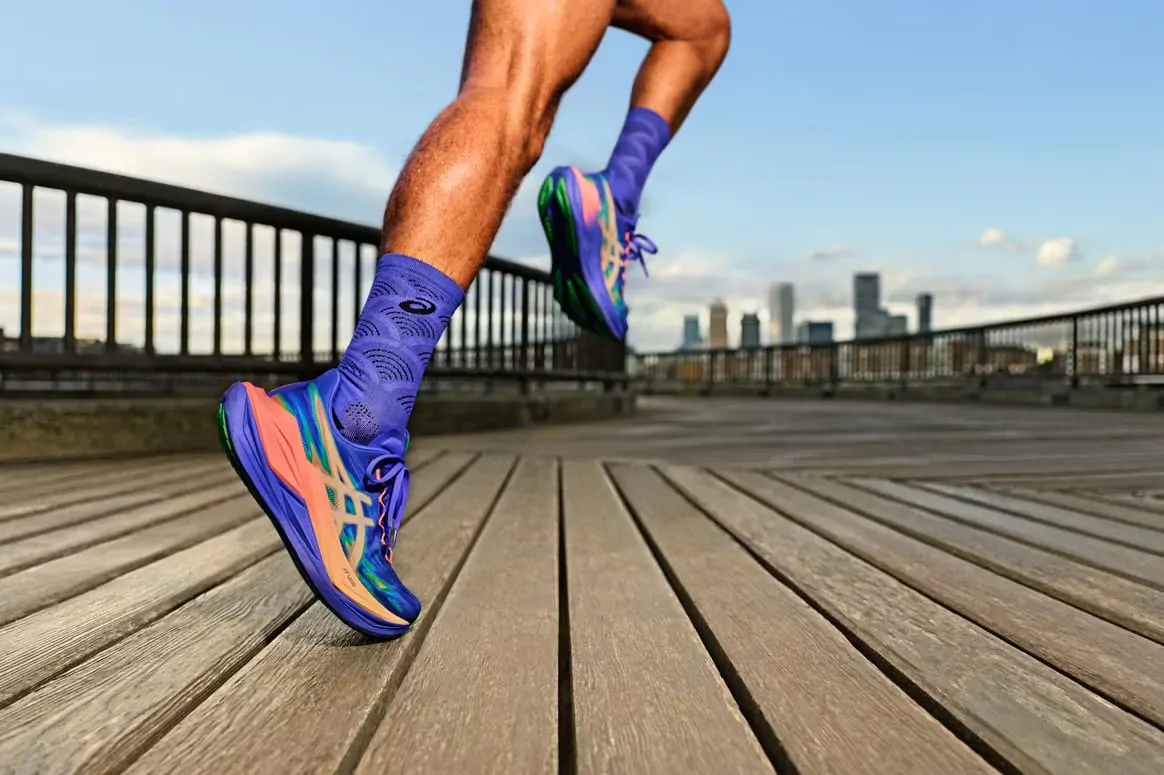
È qui che la Superblast 3 fa il salto di qualità più netto rispetto alle versioni precedenti. La FF Leap è sensibilmente più morbida della FF Turbo+ della v2: il piede affonda di più nella schiuma all’impatto, con una protezione articolare che si percepisce sin dai primi passi. Nei test di laboratorio ha fatto registrare livelli di ammortizzazione tra i più alti in assoluto sul mercato dei super trainer. Per chi trovava la v1 e la v2 “un po’ troppo rigide”, questa è esattamente la risposta che cercava.
Reattività
Il rischio con le schiume molto morbide è di perdere risposta energetica — di finire “risucchiati” nell’intersuola. La FF Leap evita questo problema grazie alla sua natura A-TPU: assorbe e restituisce. La spinta è presente, tangibile, proporzionale alla forza impressa. Più spingi, più la scarpa ti ridà. Rispetto alla v2, l’Azura è forse più “divertente” e dinamica nei ritmi sostenuti; la Superblast 3 è più matura, protettiva, pensata per durare su lunghe distanze.
Stabilità
Con 46,5 mm di stack e una schiuma molto morbida, la stabilità è la domanda più lecita da farsi. La risposta è: sorprendentemente buona, con qualche limite a velocità molto elevate. Lo strato inferiore di FF Blast Plus fa il suo lavoro di ancora strutturale, e la base allargata aiuta. In avampiede a ritmi spinti, qualche runner avanzato segnala una minima sensazione di instabilità laterale — prevedibile con questo volume, e non problematica per la stragrande maggioranza degli utenti.
I primi chilometri richiedono un minimo di adattamento: l’impatto a terra può risultare leggermente “rumoroso” a causa del blocco di schiuma massiccio. Dai 5 km in poi, la scarpa entra nel suo ritmo e la corsa diventa molto fluida.
6. Per Chi è Adatta
- Il maratoneta che vuole proteggere le gambe — La Superblast 3 è progettata per assorbire i micro-traumi delle uscite lunghe di preparazione, permettendo di accumulare volume ad alte intensità senza la rigidità del carbonio. È una delle migliori scelte per i lunghi di preparazione maratona.
- Runner di peso medio-alto (70–90 kg) — La doppia mescola e lo stack generoso offrono protezione reale per chi pesa di più. Il limite consigliato da Runnea si attesta intorno ai 90 kg; oltre tale soglia, il comportamento della schiuma nel lungo periodo è meno prevedibile.
- Chi cerca un solo paio per tutto — Dalla corsa di recupero alla sessione di soglia, la Superblast 3 segue senza problemi. Non è il massimo nelle ripetute brevi da pista, ma gestisce tutto il resto con grande disinvoltura.
- Chi trova le scarpe con piastra troppo rigide o traumatiche — Offre un’alternativa dinamica con sensazioni quasi da gara, senza la rigidità imposta da carbonio o nylon.
- Runner con ritmi tra 3’45” e 5’30″/km — È il range ideale: abbastanza veloce da sentire la reattività della FF Leap, abbastanza lento da apprezzare la protezione dello stack massiccio.
7. Differenze rispetto ad Altri Modelli Simili
vs. ASICS Superblast 2
La v3 corregge i difetti principali della v2: tomaia più ampia, schiuma più morbida e reattiva (FF Leap vs FF Turbo+), 10 g in meno di peso. L’unico punto in cui la v2 aveva qualcosa in più era la vivacità e il “brio” della transizione — la v3 è più matura e protettiva, ma leggermente meno agile nel cambio di passo.
vs. ASICS Superblast 1
La v1 rimane nella memoria collettiva come la scarpa che ha “fondato” la categoria. La v3 è più morbida, più stabile, più raffinata. Per chi amava la firma di corsa della v1, la v3 è l’evoluzione naturale — con meno spigoli e più protezione.
vs. Saucony Endorphin Azura
L’Azura è più economica (160 € vs 220 €), più leggera e più dinamica nei ritmi sostenuti. La Superblast 3 offre stack nettamente superiore, più protezione nelle lunghe distanze e una sensazione di corsa più “premium” e protettiva. Sono scarpe complementari più che concorrenti dirette.
vs. New Balance FuelCell SuperComp Trainer v3
La SuperComp Trainer ha una piastra in fibra di carbonio e un ride più aggressivo. La Superblast 3 è più versatile, più comoda nei ritmi lenti e più adatta come unica scarpa in rotazione.
vs. Nike Invincible Run 4
La Invincible è massimo comfort e zero pretese di velocità. La Superblast 3 offre più reattività e si presta anche a sessioni di qualità, rendendola una scelta più versatile per chi non vuole due paia distinti.
8. Test su Diverse Tipologie di Allenamento
🏃 Lunghi Lenti (18–32 km, 5’30″–6’30″/km) — ⭐⭐⭐⭐⭐
È il territorio naturale della Superblast 3. Lo stack massiccio e la FF Leap proteggono gambe e articolazioni per ore, senza mai dare la sensazione di “piede morto”. Dopo 25 km, la scarpa sembra ancora fresca. Per i lunghi di preparazione maratona, è probabilmente la miglior scelta del mercato nella categoria senza piastra.
⚡ Medi e Progressivi (12–20 km, 4’20″–5’00″/km) — ⭐⭐⭐⭐⭐
Eccellente. La FF Leap esprime la sua doppia natura: protegge nella prima parte e restituisce energia nella seconda, quando si alza il ritmo. La transizione è fluida e il cambio di passo risulta meno faticoso del previsto per una scarpa con questo volume.
🔁 Ripetute (800 m–3.000 m, 3’30″–4’00″/km) — ⭐⭐⭐⭐☆
Sorprende positivamente anche in questo contesto. Alcuni tester l’hanno portata fino a 3’30″/km su ripetute da 800 m con ottimi riscontri. Il limite emerge a ritmi più sostenuti: sotto i 3’30″/km, lo stack alto e la morbidezza della FF Leap diventano un ostacolo alla precisione nel cambio di passo.
🌅 Easy Run / Recupero Attivo (5–10 km) — ⭐⭐⭐⭐☆
Funziona bene, con una piccola nota: il rocker e il volume dell’intersuola possono risultare leggermente “invasivi” ai ritmi più lenti. Non è un limite reale, ma runner abituati a scarpe minimaliste potrebbero impiegare qualche uscita per adattarsi alla sensazione di corsa elevata da terra.
🏅 Maratona e Gare Lunghe — ⭐⭐⭐⭐⭐
Uno degli utilizzi più consigliati. Per runner che preferiscono comfort e protezione rispetto all’aggressività del carbonio, la Superblast 3 è una delle migliori opzioni da maratona del mercato. Permette di mantenere un ritmo costante per molti chilometri senza affaticare eccessivamente le gambe.
9. Pro e Contro
✅ Punti di Forza
- FF Leap: la schiuma da gara Metaspeed entra nella daily trainer — ammortizzazione world-class
- Leggerezza eccezionale per il volume: solo 239 g con 46,5 mm di stack
- Tomaia corretta rispetto alla v2: più spazio per le dita, calzata più naturale
- Sistema di allacciatura ibrido: bloccaggio più uniforme, meno punti di pressione
- Durabilità stimata eccellente: 700–800 km grazie alle mescole TPU
- Grip migliorato su asfalto bagnato e superfici miste
- Versatile: funziona dai lunghi lenti alle gare di maratona
- La migliore Superblast di sempre: corregge tutti i difetti della v2
❌ Punti di Debolezza
- Prezzo elevato: 220 € la mettono nella fascia alta del mercato
- Non per ritmi estremi (<3’30″/km): lo stack alto perde precisione ad alta velocità
- Leggermente meno “divertente” della v2 nei cambi di passo rapidi
- Instabilità laterale in avampiede per runner avanzati a ritmi spinti
- Richiede qualche chilometro di rodaggio per esprimere il massimo potenziale
- Sconsigliata sopra i 90 kg per un uso intensivo nel lungo periodo
- Taglia leggermente grande: attenzione nella scelta della misura
10. Prezzo e Disponibilità
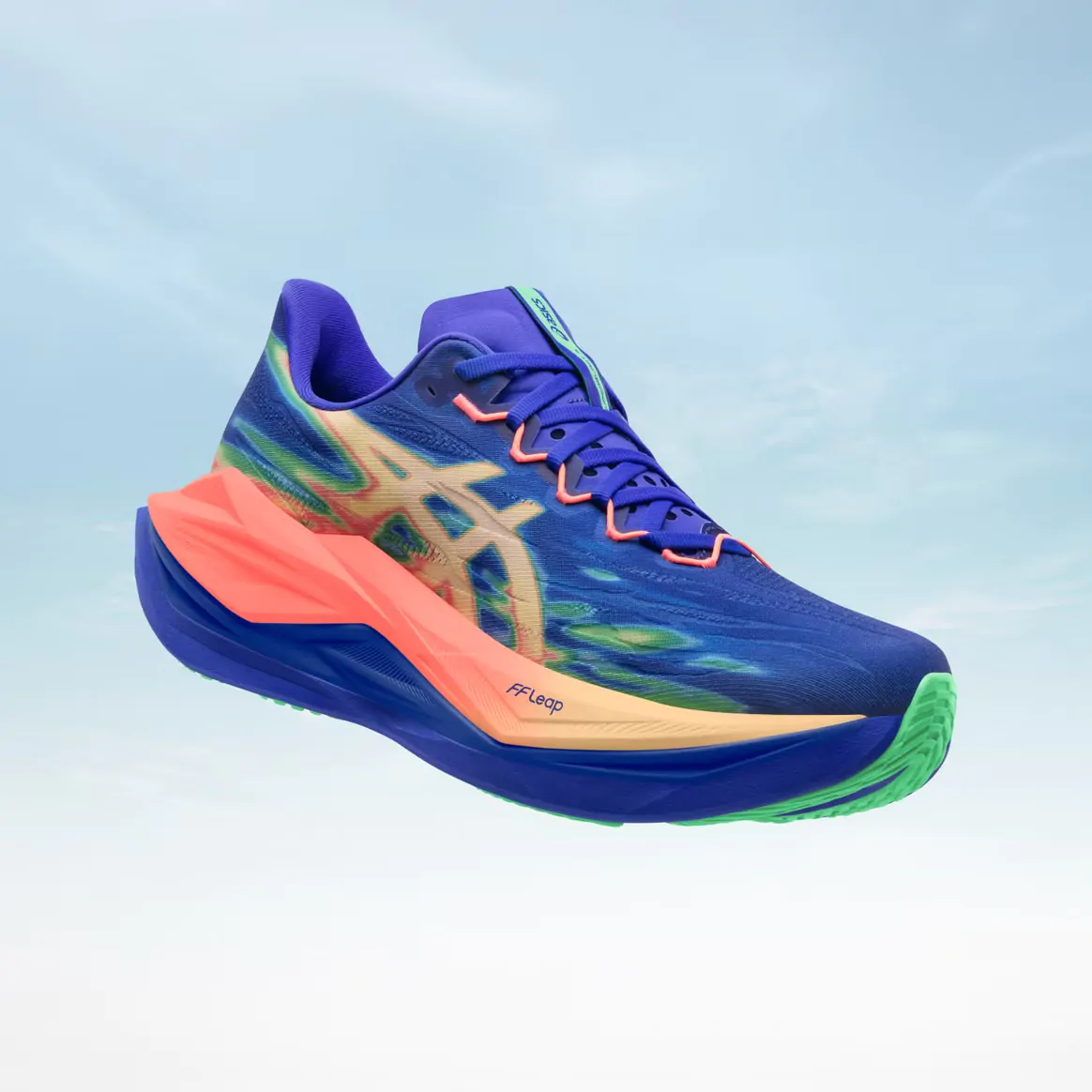
La ASICS Superblast 3 è disponibile al prezzo di listino di 220 €.
Il prezzo si giustifica considerando cosa c’è dentro: la FF Leap è la schiuma top di gamma di ASICS, solitamente riservata alle scarpe da gara. Averla in un formato da allenamento con durabilità stimata di 700–800 km significa un costo per chilometro molto competitivo nel lungo periodo.
La Superblast 3 è disponibile anche nelle versioni uomo e donna con geometrie leggermente differenziate. Controlla la disponibilità della tua taglia per tempo, soprattutto nei numeri più comuni (42–44 uomo, 38–40 donna), che tendono a esaurirsi rapidamente.
Disponibile su MioMio Run — il negozio ASICS di riferimento in Italia.
11. Conclusione: Vale la Pena?
Sì, la ASICS Superblast 3 vale ogni euro dei suoi 220 €.
Corregge i difetti della v2, porta la schiuma da gara nella daily trainer e si conferma come il punto di riferimento assoluto nel segmento delle super trainer senza piastra. Non è la scarpa più divertente del mondo ai ritmi veloci, ma per chi accumula chilometri sull’asfalto cercando protezione, reattività e durabilità in un solo paio — non c’è niente di meglio sul mercato nel 2026.
La morale è semplice: la Superblast 1 ha fondato la categoria. La v2 ha deluso. La Superblast 3 riprende il trono con più materiali di qualità, una calzata finalmente corretta e una schiuma che ti fa sentire di correre su qualcosa di speciale ad ogni chilometro.
Se sei un runner che percorre tanti chilometri su strada, che punta alla maratona o che semplicemente vuole la miglior protezione possibile senza rinunciare alla sensazione di spinta — la ASICS Superblast 3 è la tua scarpa.
Disponibile su MioMio Run — il negozio ASICS di riferimento in Italia.