 ITA
ITA
 DEU
DEU
 FRA
FRA
 ESP
ESP






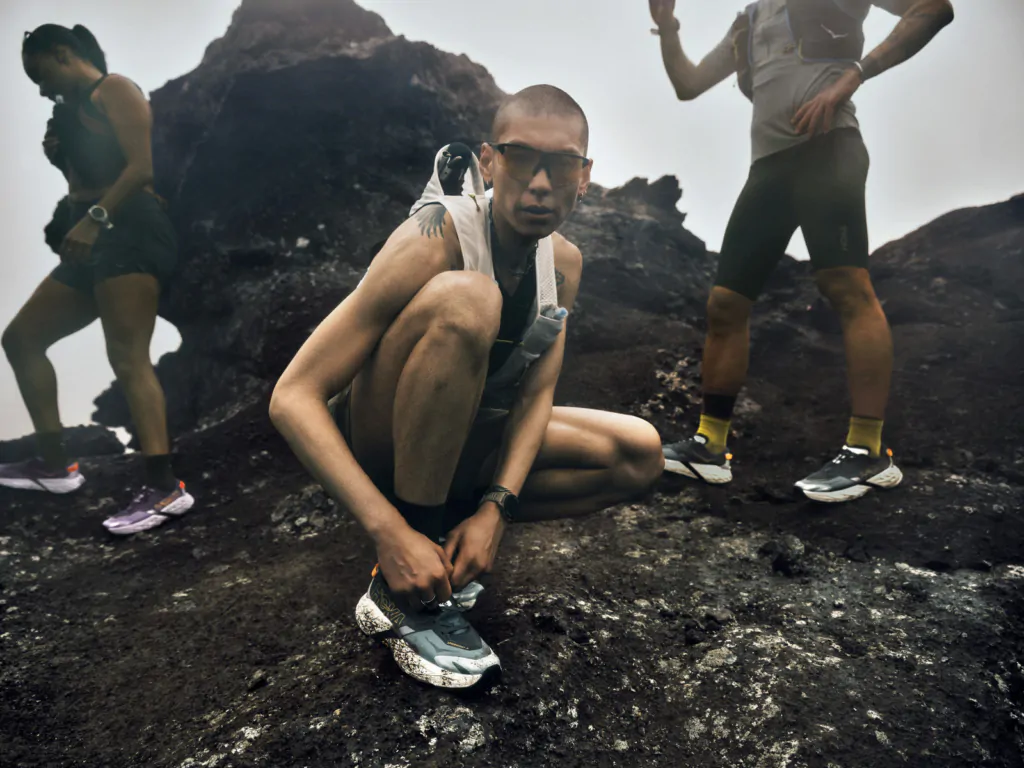
Hoka Speedgoat 7: Full Review — The G.O.A.T. Is Back, More Responsive Than Ever
The Speedgoat needs no introduction: it’s Hoka’s best-selling and most recognisable trail shoe, the one you spot at the starting line of any ultra. With version 7, released in February 2025, Hoka made an important move — it listened to the criticism of the Speedgoat 6 and overhauled everything: foam, upper, outsole. The result is a shoe aimed at trail runners seeking protection, reliable grip and comfort over long distances, without sacrificing a touch of extra responsiveness.
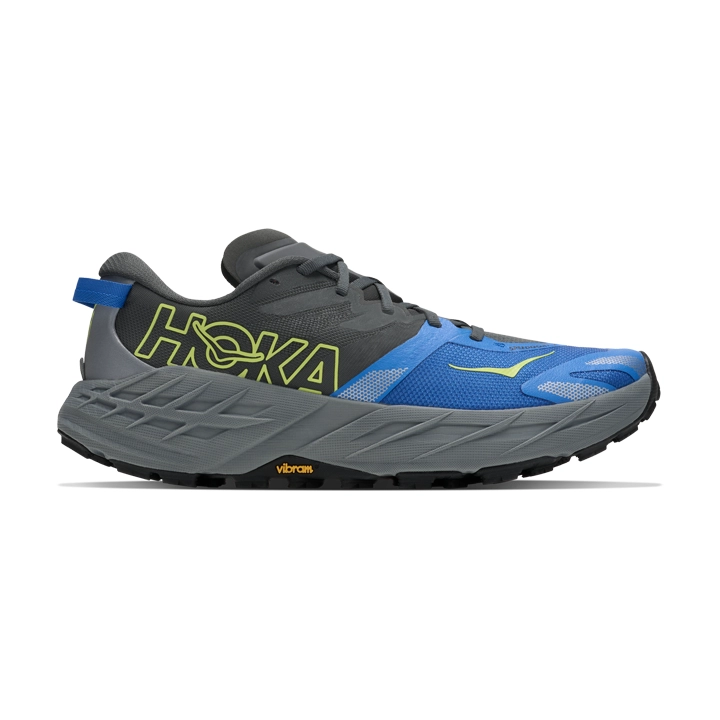
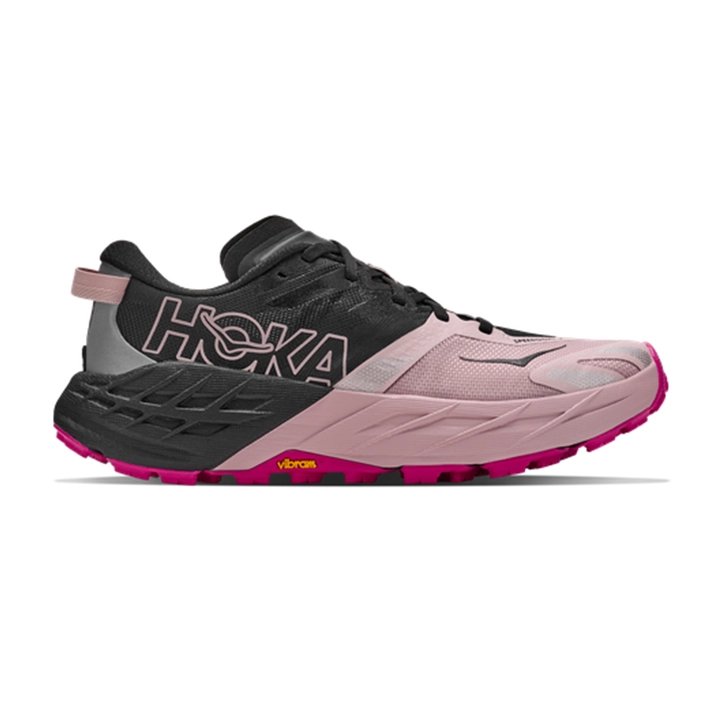
Hoka Speedgoat 7 — the seventh generation of one of the world’s most beloved trail running shoes.
-
Speedgoat 7 men
Price range: 113,00€ through 147,00€ VAT included -
Speedgoat 7 women
Price range: 113,00€ through 147,00€ VAT included
📋 In this article
- Model philosophy
- Main technical specs
- Key technologies
- Comfort and fit
- On-run feel
- Who is it for?
- Differences vs other models
- Training type tests
- Pros and Cons
- Price and availability
- Is it worth it?
1. Model Philosophy
The Speedgoat was born in 2015 with a clear goal: to take Hoka’s maximalist approach off asphalt and onto mountain trails. The name is a tribute to Karl Meltzer, the ultrarunner nicknamed “Speedgoat” for his ability to devour elevation gain. Seven versions later, the model has become a global trail running benchmark — the shoe you see at the start of the Lavaredo Ultra Trail, the CCC, and every mountain 50k.
The philosophy has never changed: maximum protection, reliable grip on any surface, comfort during the longest hours on foot. This is not a racing shoe — there are no carbon fibre plates or explosive foams built for pure speed. The Speedgoat is for those who want to reach the summit and come back in one piece, regardless of what lies underfoot.
Version 6 had disappointed many loyal fans, perceived as too stiff and less versatile than its predecessors. With the 7, Hoka has gone back to its roots: lightness, versatility, balance. A quiet admission of misstep that, in practice, translates into a noticeably better shoe.
2. Main Technical Specs
| Feature | Value (Men’s US10) | Value (Women’s US8) |
|---|---|---|
| Weight | 275 g | 235 g |
| Drop | 5 mm | 5 mm |
| Stack heel / forefoot | 40 mm / 35 mm | 38 mm / 33 mm |
| Type | Trail running — technical, mixed terrain, ultra | |
| Midsole | Supercritical EVA (SCF — Supercritical Foam) | |
| Outsole | Vibram® Megagrip with 5 mm Traction Lug | |
| Upper | Lightweight breathable RPET fabric | |
| Stability | Neutral / J-Frame™ | |
| Recommended retail price | € 165 | |
💡 Sizing note: Several international testers recommend going half a size up, especially for those with wider feet or planning long-distance runs. A Wide version is also available.
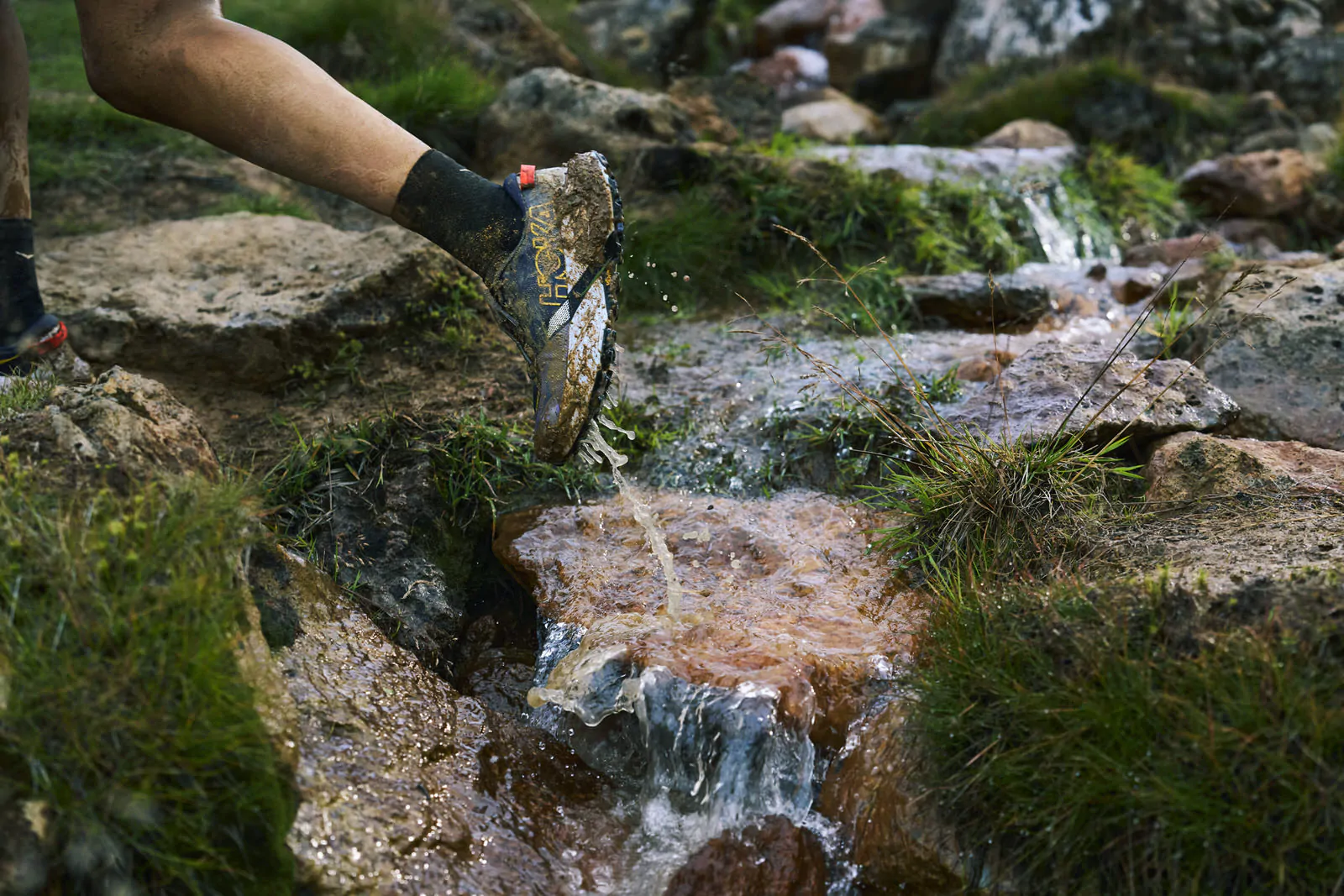
The Vibram® Megagrip outsole with 5 mm Traction Lug — updated lug orientation to maximise grip on mixed terrain. © MioMioRun
3. Key Technologies
- SCF Midsole (Supercritical Foam) — The midsole is made from expanded EVA through a supercritical process that injects CO₂ into the polymer mix. The result is a lighter, softer foam with greater energy return compared to the traditional EVA used in previous versions. This is the most significant update in the Speedgoat 7.
- Vibram® Megagrip with 5 mm Traction Lug — The outsole is crafted by Vibram, Hoka’s long-standing trail traction partner. The 5 mm lug with an updated orientation delivers up to 25% better grip on slippery surfaces, mud and wet rock compared to the previous design.
- J-Frame™ — A support technology integrated into the midsole geometry that helps prevent overpronation without introducing rigid corrections. Not a traditional stability shoe, but it delivers natural stability through its wide base and Active Foot Frame.
- Elasticised Dynamic Overlay (Patent Pending) — An elastic structure in the forefoot area of the upper that adapts to the natural swelling of the foot during long runs. Essential for comfort during ultra trail races.
- Integrated Gaiter Attachment — New to this version. A system designed to connect a protective gaiter to the shoe without additional accessories, keeping out pebbles, dirt and debris — a detail that makes a real difference on dusty trails or in autumn and winter conditions.
- RPET Upper — Made from recycled polyester, lightweight and breathable. Provides good ventilation without sacrificing foot containment. A sustainable choice consistent with Hoka’s environmental commitments.
- Redesigned Heel Collar — More enveloping and refined than the Speedgoat 6, improving heel lockdown and reducing slippage on technical descents.
4. Comfort and Fit
Standing still, the Speedgoat 7 immediately conveys Hoka’s trademark sense of protection and softness. The 40 mm heel stack is generous — you feel it, but it’s not as destabilising as it might appear on paper. The wide base provides support without the foot feeling “suspended”.
The RPET upper wraps the foot pleasantly, with a medium-wide fit that doesn’t squeeze in width. The elasticised dynamic overlay makes a real difference: the fabric follows the natural expansion of the foot rather than constraining it. Anyone who has experienced numb toes in the final stages of a long run will know how much that matters.
The redesigned heel collar locks the heel far better than version 6 — one of that shoe’s main weaknesses was heel slippage on steep descents. Here the sensation is one of greater control. The flat tongue with double gusset creates no pressure on the tendons of the foot.
Break-in period: none required. From the very first run, the shoe behaves in a predictable and comfortable manner. Great news for anyone buying close to a race.
RPET upper with elasticised dynamic overlay — adapts to foot swelling over long distances. © MioMioRun
5. On-Run Feel
Cushioning
The new SCF midsole is the real breakthrough. Compared to the Speedgoat 6 — widely perceived as “dead” by many runners — the 7 brings back that progressive, protective softness that made version 5 a legend. It’s not the sleepy softness of some ultra-maximalist shoes: there’s substance underfoot, but also responsiveness. On long technical descents, the cushioning works without fatiguing the legs — exactly what you need after the 30th kilometre.
Responsiveness
With a 5 mm drop and the outsole geometry, the heel-to-toe transition is more fluid and dynamic than the stack height would suggest. This is not an explosive shoe — it wasn’t built for fast intervals — but when you push, it responds. The SCF energy return is most noticeable on moderate climbs, where you’re looking for some propulsion without sinking into the foam.
Stability
The wide base and J-Frame™ provide natural stability adequate for the vast majority of terrain. On wet rock or roots, the shoe remains predictable. Caution: on very technical and uneven terrain (unstable boulder fields, rapid up-and-down single trails), the high stack may require some attention and experience. This is not a shoe for absolute trail beginners.
Grip
The Vibram Megagrip with its updated Traction Lug orientation works superbly. Mud, wet grass, slippery rock: traction is reliable and reassuring. On dry surfaces, excellent as expected. The one weak spot? On snow or ice it has no specific advantage, but for mixed autumn terrain it’s hard to ask for more.
Cushioning
9/10
Responsiveness
7/10
Grip
9/10
Comfort
9/10
Stability
8/10
Versatility
8/10
6. Who Is It For?
Intermediate and advanced runners — The primary target. Those who already have a trail running base, know the trails and are looking for a reliable shoe for long training runs and races from 25 to 100 km in the mountains. Suitable for runners up to approximately 85 kg.
Ultra trail enthusiasts — The Speedgoat 7 is built to last the hours. The protection offered by the SCF midsole and the constant traction of the Vibram Megagrip make it ideal for those races where clocking the miles isn’t enough: you need to manage your body on the descents in the final hours.
Those looking for an “all-terrain” shoe — Rocky climbs, mud, technical descents, fast trails: the Speedgoat 7 handles everything competently, without being the absolute best in any single context. It’s the swiss army knife of trail running.
Less suitable for: absolute trail beginners (the high stack requires experience), those seeking pure race speed on fast compact terrain (consider the Hoka Tecton X or Mafate Speed instead), and runners who primarily run on road or fast gravel.
7. Differences vs Other Models
Vs Speedgoat 6
The biggest difference is in the foam: the SCF of the 7 is significantly more reactive and softer than the “dead” EVA of the 6. The upper is more structured and the heel collar grips the foot far better. The 7 weighs virtually the same, but feels more balanced. If you loved the 5 but were let down by the 6, welcome home.
Vs Hoka Mafate Speed 4
The Mafate Speed is more speed-oriented on technical terrain, with a more aggressive profile and less stack. The Speedgoat 7 is more comfortable and protective over long distances. If you mainly race fast on technical single trail, the Mafate Speed is an interesting alternative. If you do ultras or prefer comfort and protection, Speedgoat.
Vs Salomon Speedcross 6
The Speedcross is more aggressive on mud and soft surfaces thanks to its deep lugs, but less versatile on mixed and rocky terrain. The Speedgoat 7 performs better on varied surfaces thanks to Vibram Megagrip, and is more comfortable over long distances due to the higher stack.

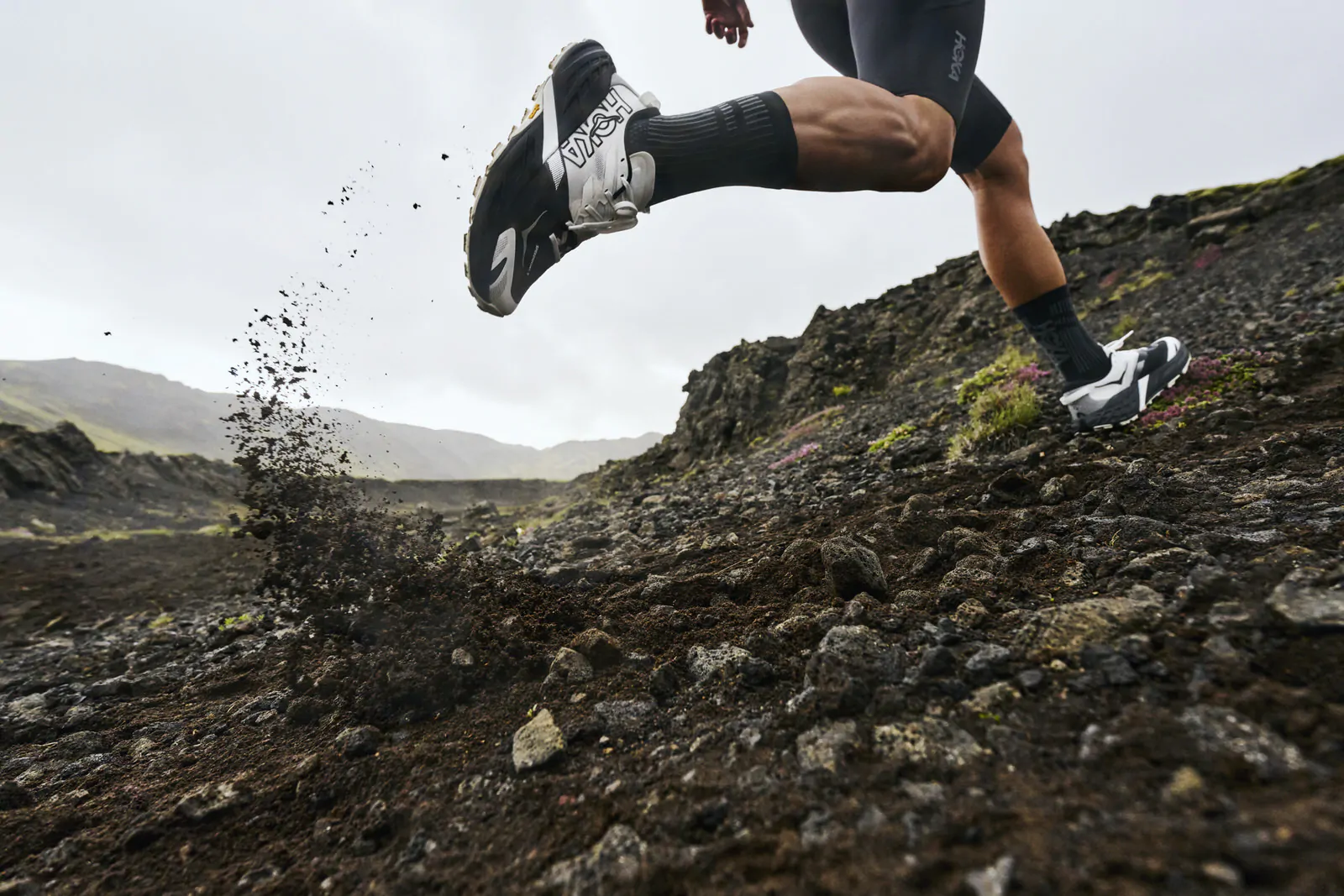
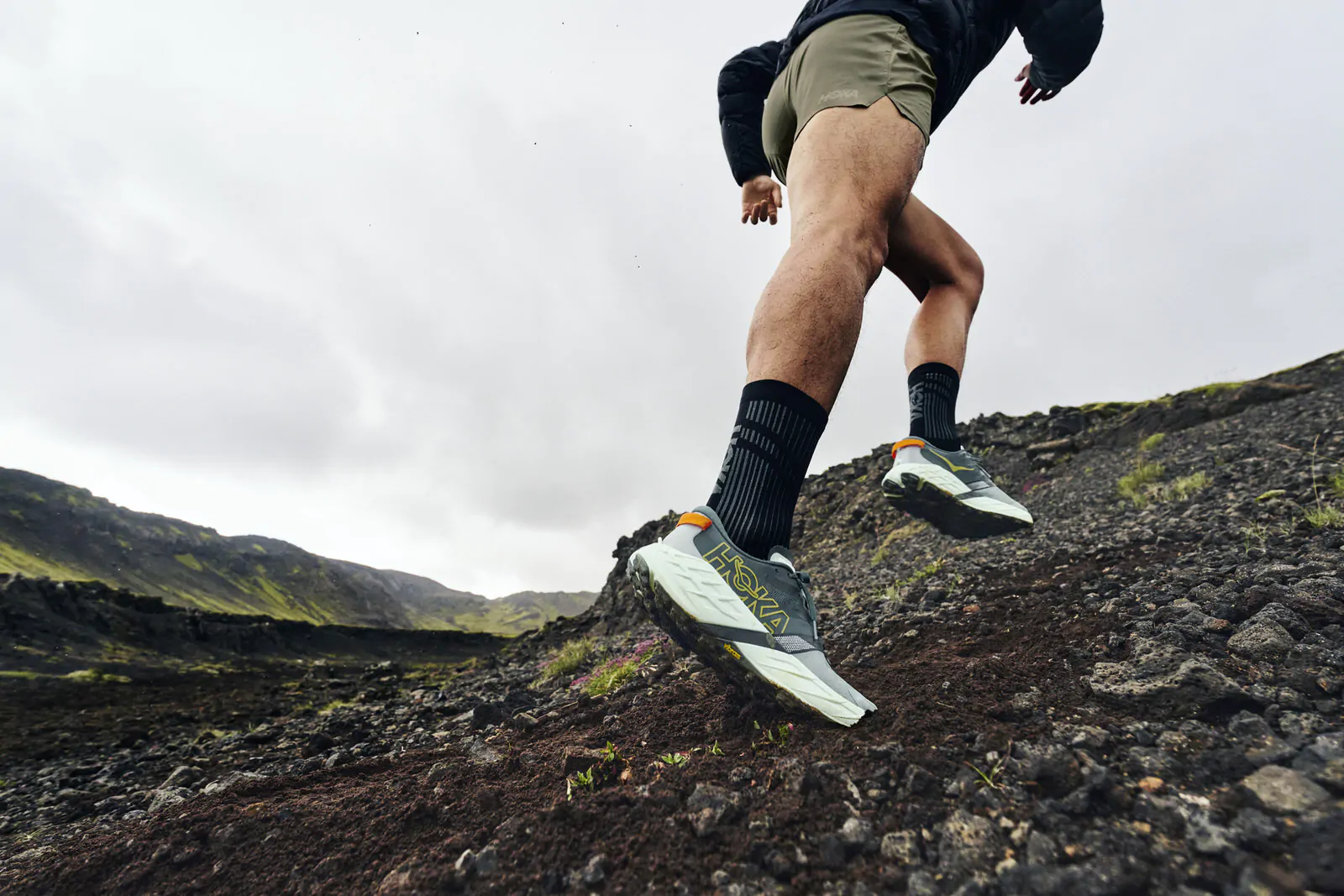
The Speedgoat 7 in action on a typical pre-Alpine trail: grip, protection and comfort working in perfect synergy.
8. Training Type Tests
🐢 Long slow runs (25–40 km)
This is where the Speedgoat 7 shines. The SCF midsole absorbs cumulative vibrations hour after hour, and the upper comfort doesn’t fatigue the toes or the instep. On the final climbs of a demanding long run, the Vibram grip doesn’t falter. Full marks.
⚡ Moderate and progressive runs (10–18 km)
Works well, but not its natural habitat. Moderate pace is sustainable without issue and the transition is fluid. You don’t feel the propulsion of a racing shoe, but the response is satisfying for a quality trail session.
🔁 Hill repeats
Surprisingly effective. The grip on climbs is notable, and the 5 mm drop encourages correct posture. Not what it was built for, but it doesn’t disappoint. Short repeats (50–200 m) are handled with confidence.
🌄 Daily runs / recovery outings
The softness of the SCF makes it pleasant even on easy days. This is not a “casual walk” shoe in the negative sense — it’s simply comfortable without being lazy. For those wanting one trail shoe for everything, the Speedgoat 7 is a reasonable answer.
9. Pros and Cons
✅ PROS
- New SCF foam: more reactive and softer than the previous version
- Vibram Megagrip outsole: excellent traction on mixed, wet and rocky terrain
- Immediate comfort, no break-in period required
- Lightweight breathable RPET upper
- Elasticised dynamic overlay: excellent for long distances
- Integrated gaiter attachment: a practical and intelligent addition
- Redesigned heel collar: better lockdown than the 6
- Available in Wide
- Price in line with the category
❌ CONS
- Not a fast shoe: no plate, not suited to racing on compact terrain
- High stack (40 mm) requires experience on very technical terrain
- No corrective support: not suitable for heavy overpronators without specific insoles
- Half size up recommended — check sizing carefully
- Not ideal on snow and ice (GTX versions exist for that purpose)
10. Price and Availability
-
Speedgoat 7 men
Price range: 113,00€ through 147,00€ VAT included -
Speedgoat 7 women
Price range: 113,00€ through 147,00€ VAT included
The Hoka Speedgoat 7 has a recommended retail price of € 165, available on HOKA.com and at authorised retailers, including us at Mio Mio Run, both in-store and in our online shop.
Available in 4 colour variants for men and 4 for women, plus Wide sizes for both. A broad range that allows you to find the right variant without compromising on fit.
The price is fair for what it offers: Vibram Megagrip, supercritical foam, technical upper and quality construction. It’s not a cheap shoe, but in the intermediate/advanced trail running segment it competes well against comparable rivals such as the Salomon S/LAB Ultra (€ 200+) and the SCOTT Supertrac Ultra RC (€ 180+).
Want to try the Hoka Speedgoat 7? You’ll find both the men’s and women’s models in our online store, with fast shipping and advice from our team of runners. 🏃 Shop at MioMioRun
Is It Worth It? Our Verdict
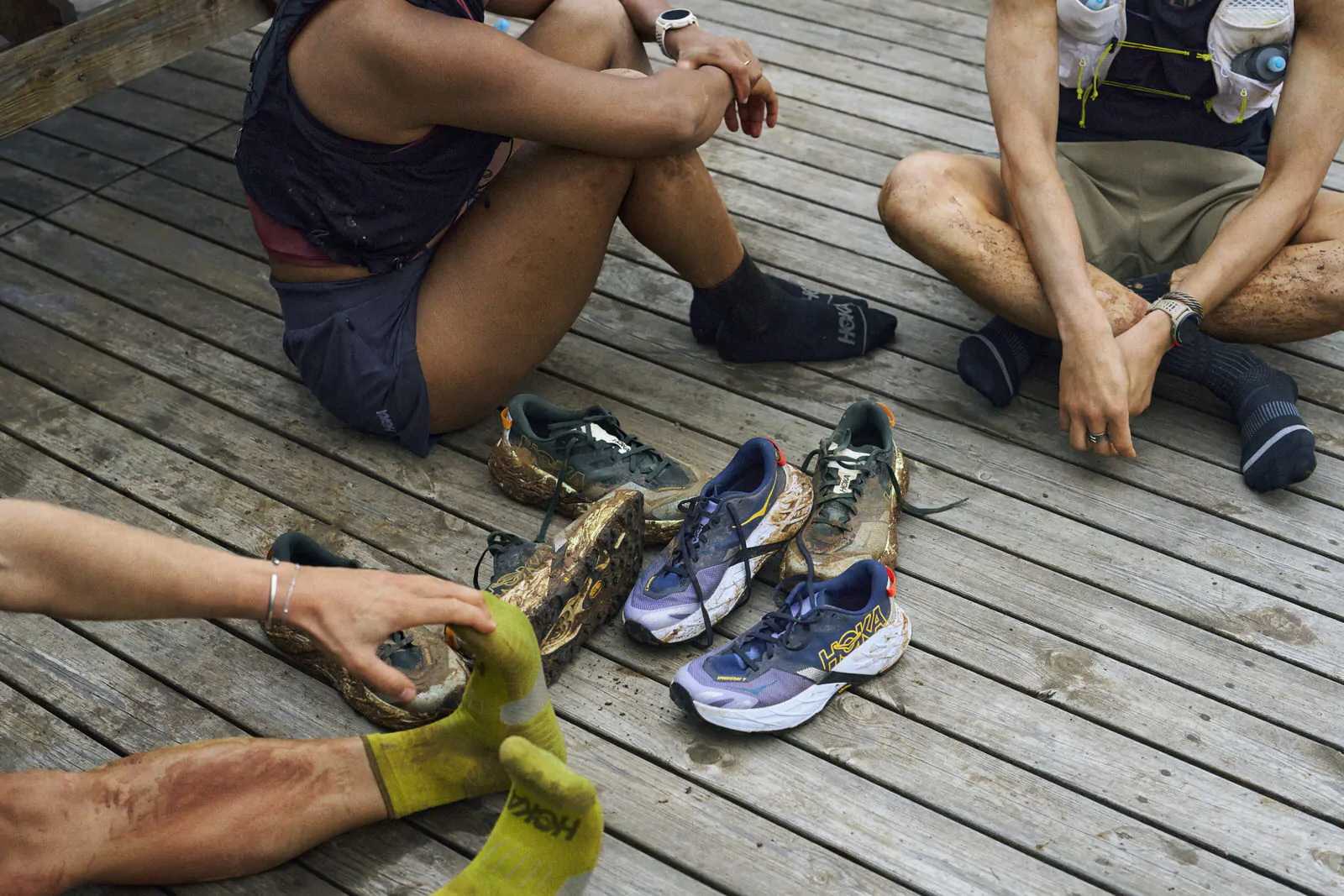
The Hoka Speedgoat 7 is the best Speedgoat since version 5. Hoka did the hardest thing — acknowledged the limits of the previous version and corrected them with concrete action: livelier foam, more precise upper, improved outsole traction.
It’s not a perfect shoe. If you’re chasing absolute speed, explosiveness and ground feel, you’ll need to look elsewhere. But if you run mountain trails from 25 to 100 km, need a shoe that works on every surface, and want your legs protected through the longest hours, then the answer is yes.
The G.O.A.T. is back. And this time, it truly deserves the title.